You have 0 items in your cart



38,00 €
Discover Mas Marès, in the Cap de Creus Natural Park, and learn how the geography, geology and history of this landscape shape our wines.
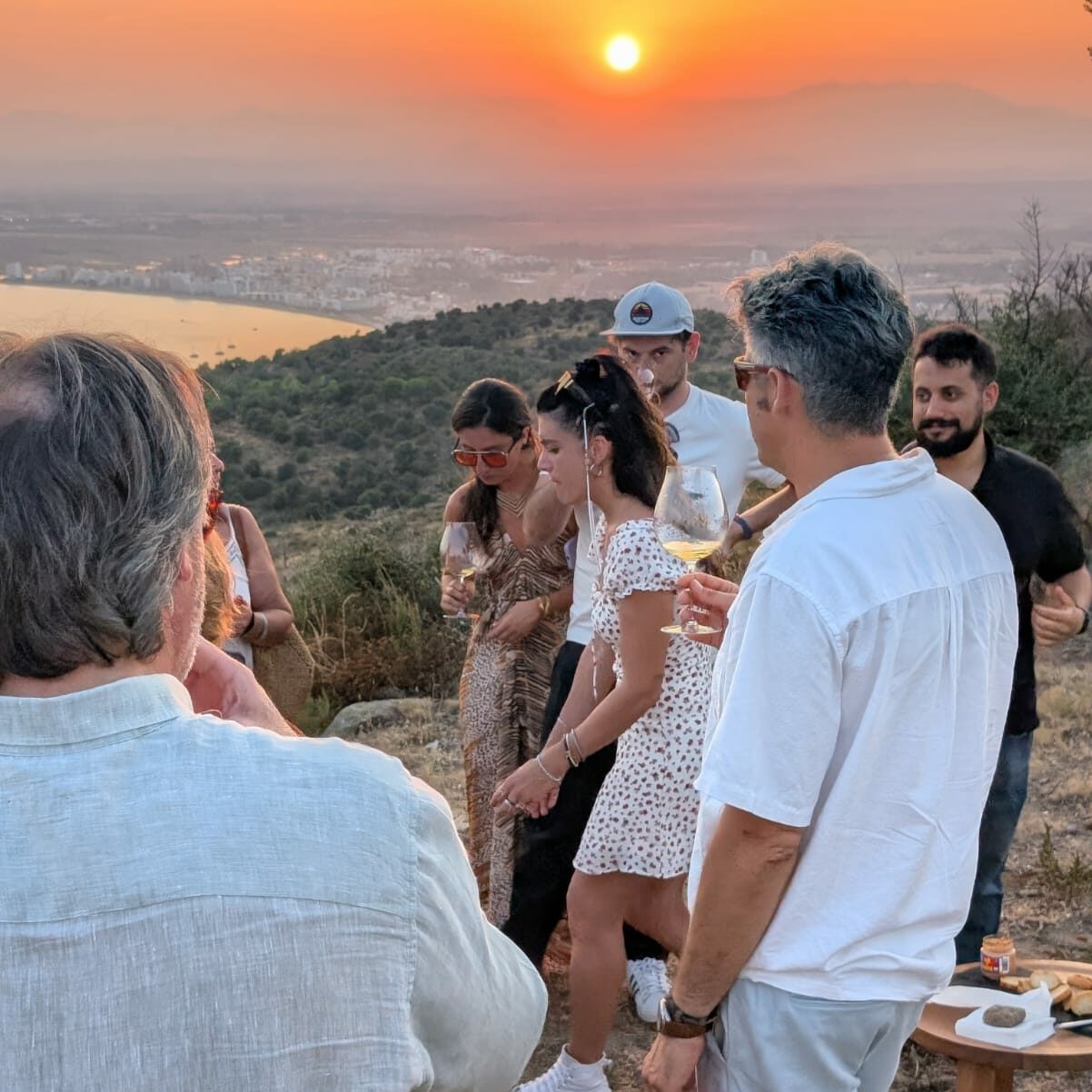
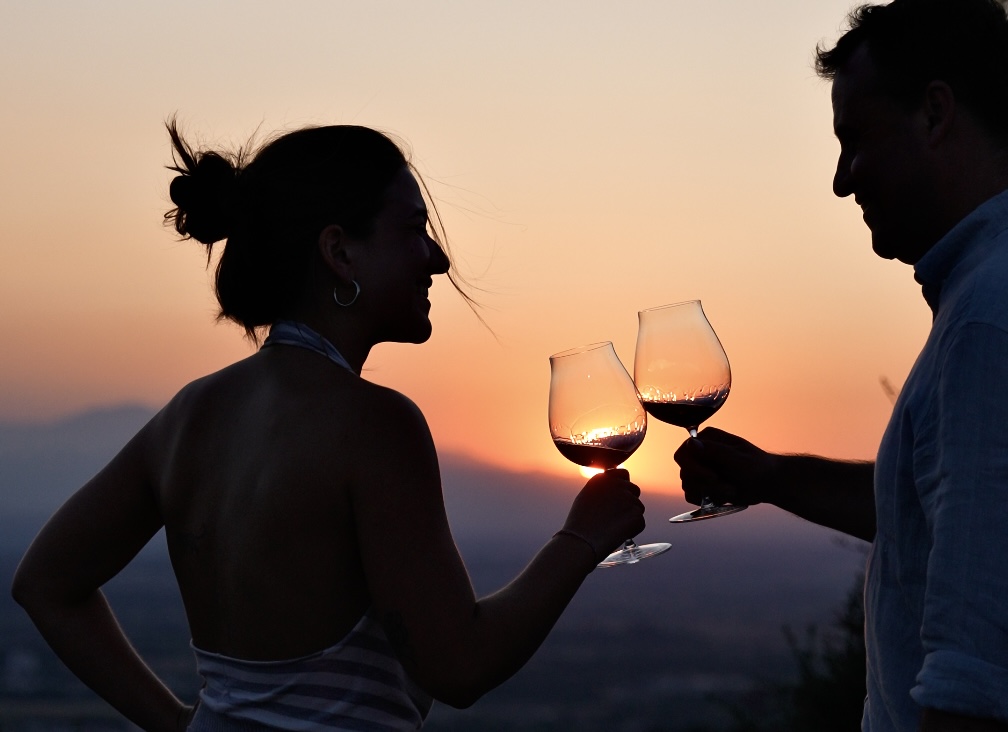
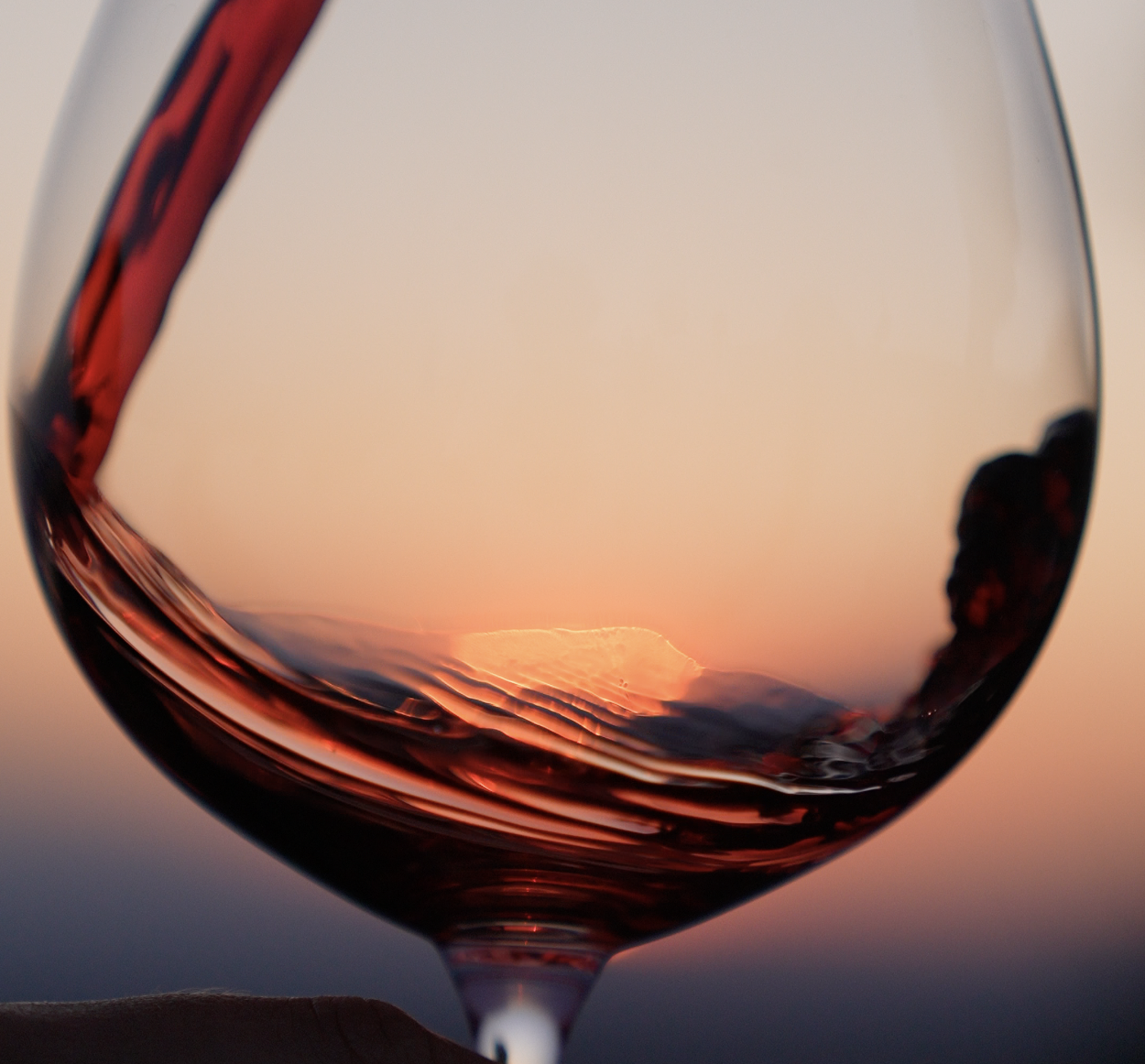
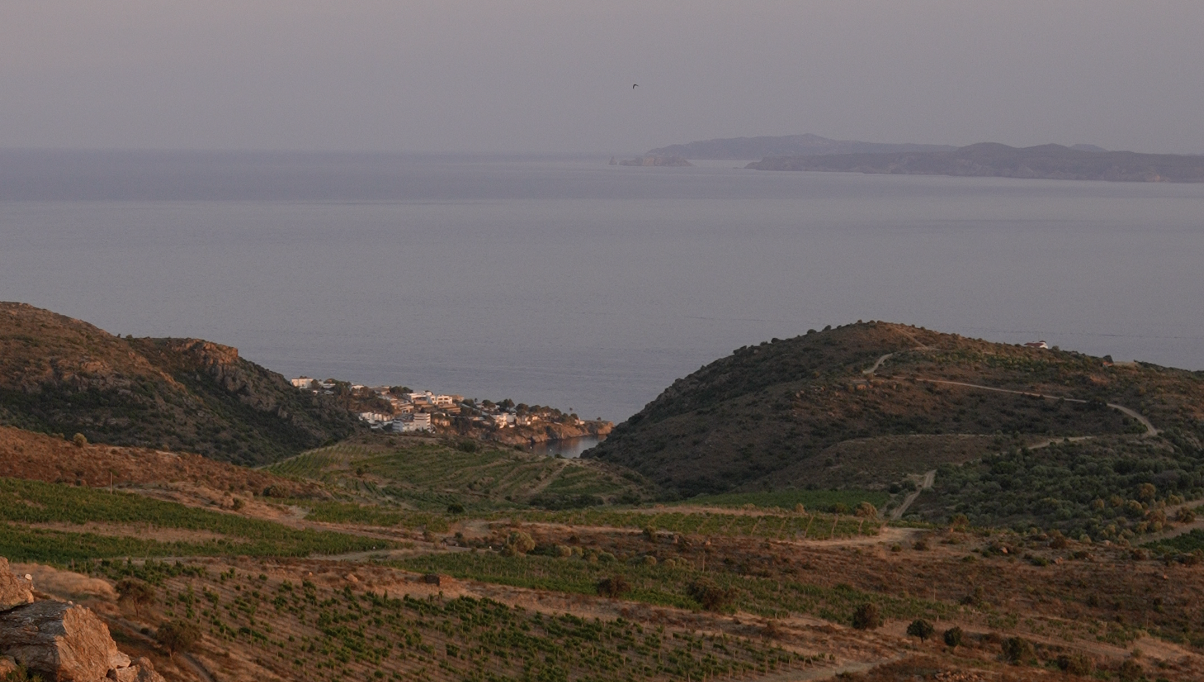
End the visit at the Balcó de Mas Marès with a guided tasting of Espelt wines paired with local products, while watching the sunset over the Bay of Roses.
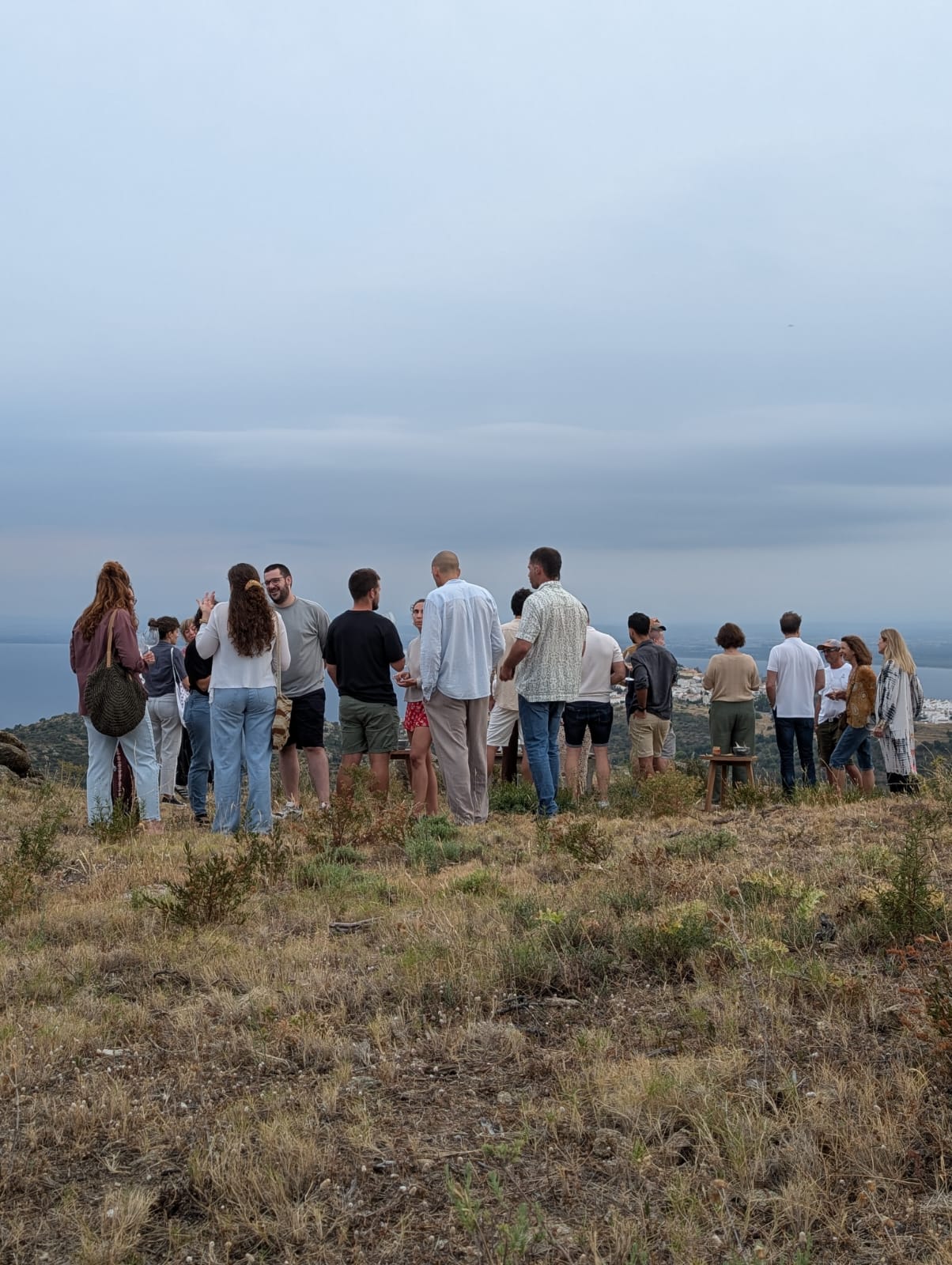
At the heart of the Cap de Creus Natural Park, the Balcó de Mas Marès is a privileged viewpoint overlooking the Bay of Roses and a starting point for discovering the relationship between the landscape, the vineyards and the wine.
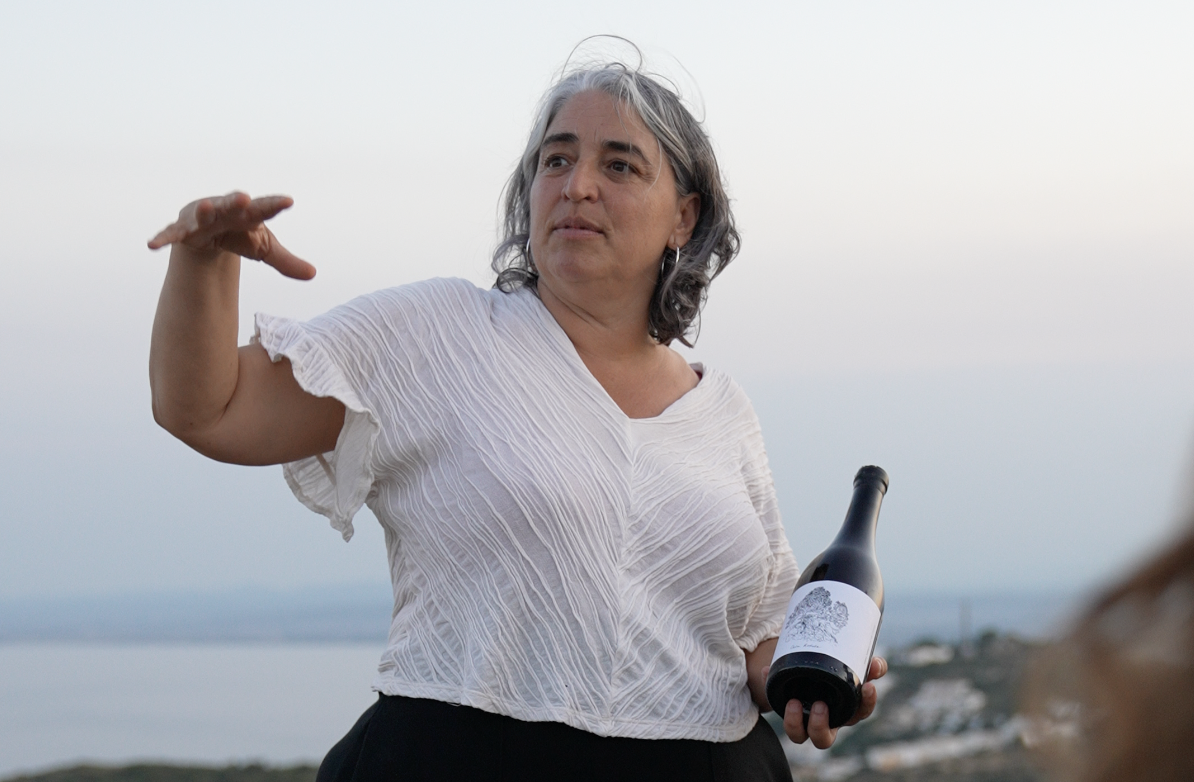
We will learn how the geography, geology and history of Cap de Creus shape our wines and explore Mas Marès’ regenerative agriculture project. We will also learn about the work we have been carrying out for more than twenty years to restore the agroforestry mosaic, a landscape of vineyards, scrubland, pastures, cork oaks and dry-stone walls that supports biodiversity and protects the land from wildfires.
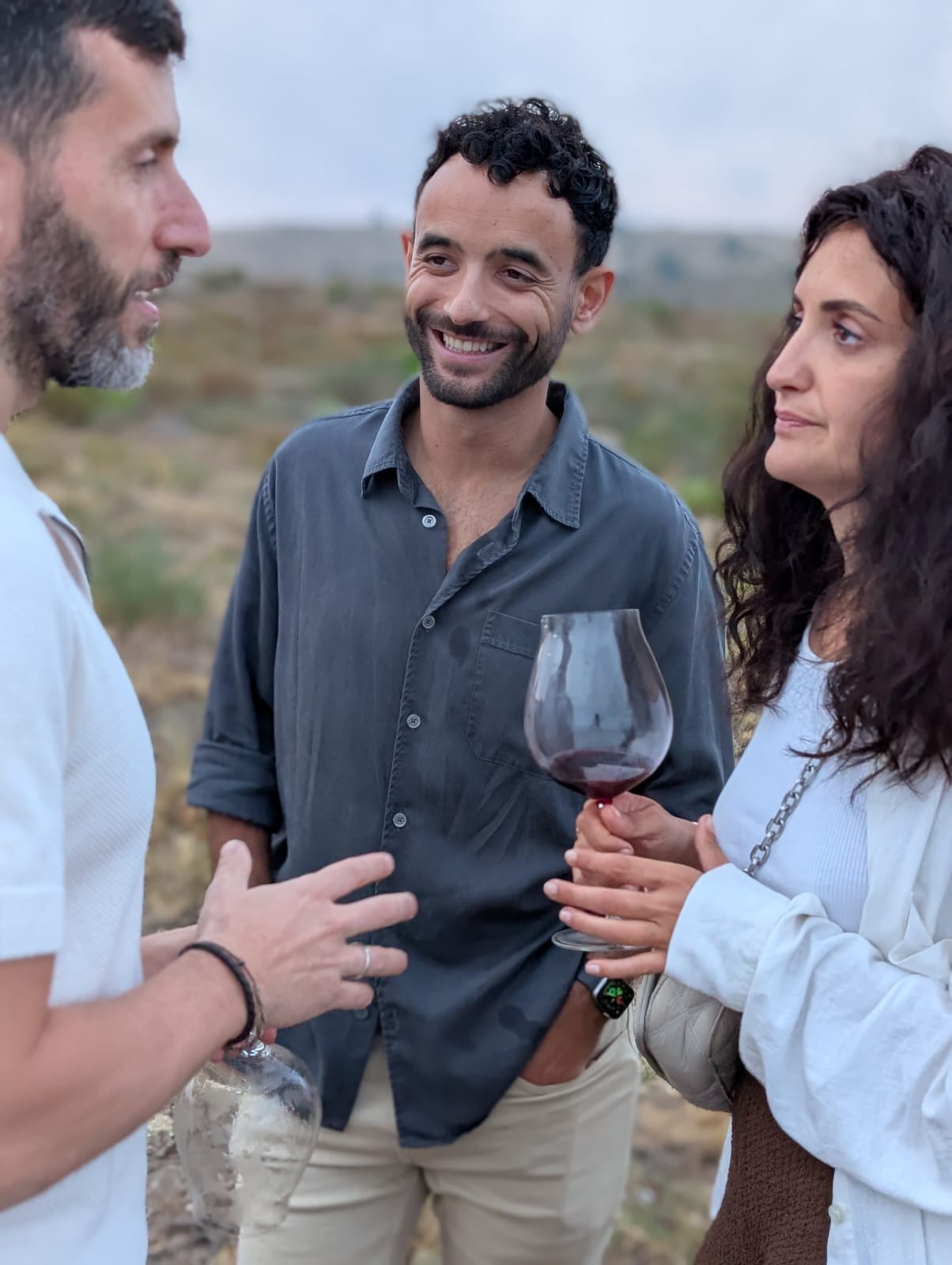
We will end the visit at the Balcó de Mas Marès with a guided tasting of Espelt wines, paired with seafood products from Pescadors de Roses and cheeses, while watching the sunset over the Bay of Roses.
The activity may be shared with other visitors and may take place in different languages, offering an opportunity to share the experience with people from around the world.
If you prefer a private visit, send us a WhatsApp message at 671 546 206.
Remember to wear comfortable footwear and come prepared for cold or sunny weather depending on the time of year.
Season: Summer (seasonal activity)
Meeting time: 7:00 pm
Meeting point: Mas Marès information panel, road to Montjoi.
Duration: Approximately 2 hours
Languages: Catalan, Spanish, English and French
If you have any questions, get in touch.
For more than twenty years, we have been working to restore the agroforestry mosaic of Mas Marès, combining vineyards with areas of scrubland, pastures, cork oaks and dry-stone walls. This way of managing the land supports biodiversity and helps maintain a diverse, thriving and resilient landscape.
The vineyards, cultivated fields and grazing areas create open spaces with low fuel loads that break up the continuity of the vegetation. In this way, the Mas Marès landscape acts as a natural firebreak and a protective buffer for the urbanised area of Roses, helping to control and stop the spread of wildfires, as was demonstrated during the fire of February 2022.